
How Long Does It Take to Form an LLC? A Realistic Timeline


A software developer filed her Articles of Organization expecting quick approval. Three weeks later, still waiting for state confirmation, she had to postpone her official business launch. The business registration process took longer than expected because she filed during peak season without understanding her state's manual review procedures.
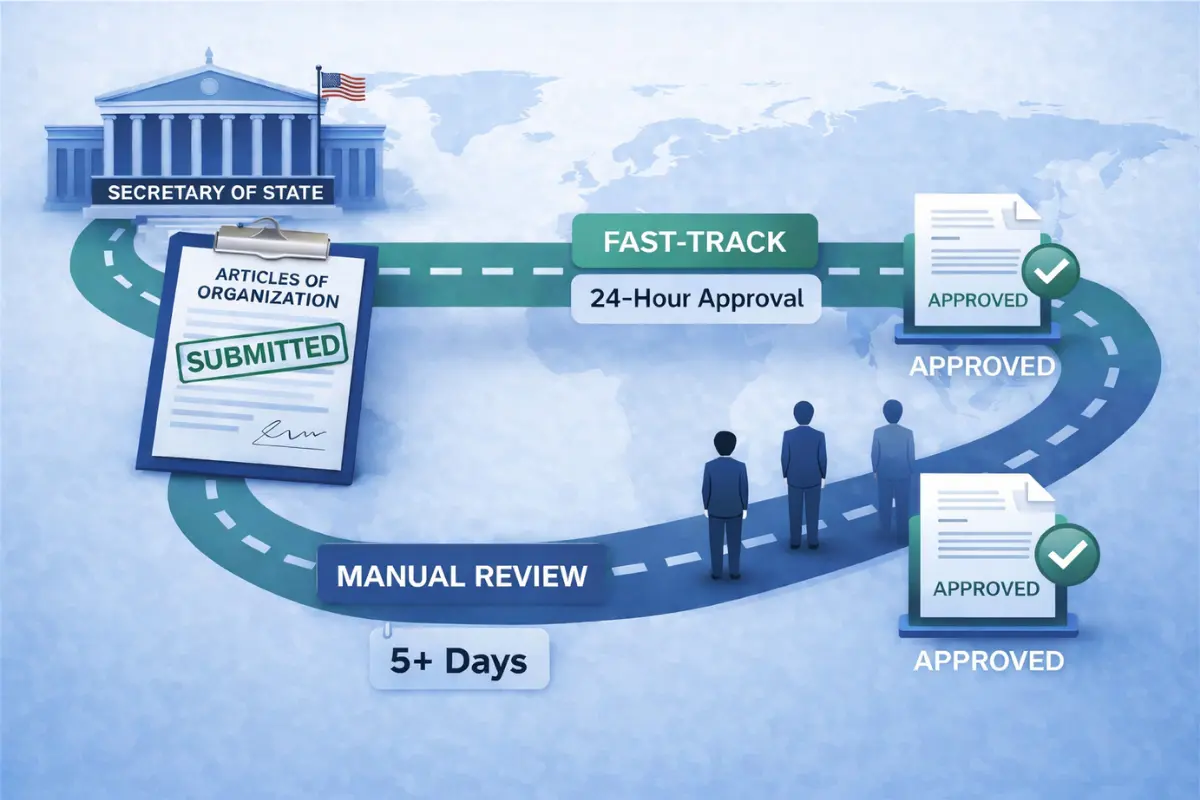
How long does it take to form an LLC? The LLC formation timeline varies significantly depending on the filing method, the state's processing capacity, and whether expedited options are selected. Most states approve an LLC in about 3-10 business days when you file online, with expedited options for faster processing. Understanding the time required to register an LLC helps entrepreneurs plan realistic launch schedules and avoid costly delays.
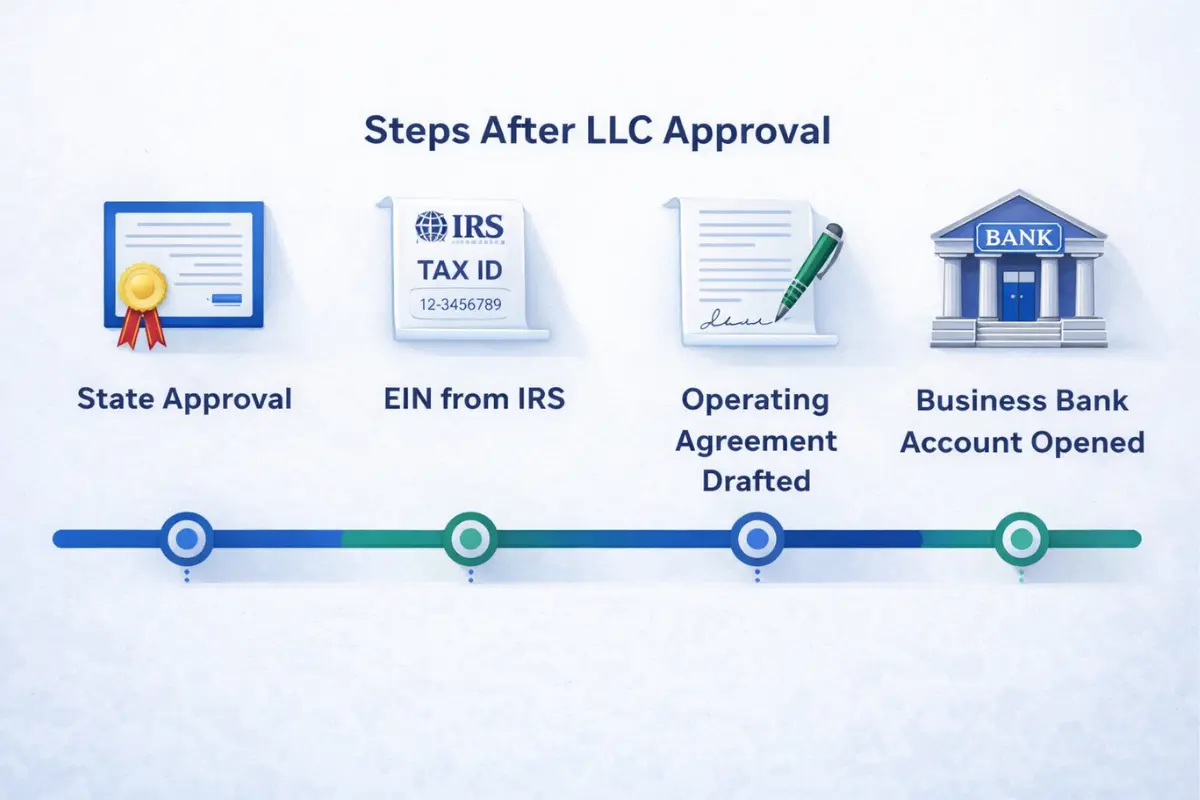
The business formation timeline encompasses more than just state approval. It includes name availability verification, document preparation, state processing, and post-formation steps like obtaining an EIN (Employer Identification Number) and drafting an operating agreement. Each phase contributes to the total time before a business becomes fully operational. Entrepreneurs frequently ask how long to start an LLC when planning their business launches. The SBA provides guidance on business registration processes and requirements for new entities.
Key Takeaways
-
LLC formation timelines vary by state and filing method, but most online filings are approved in about 3–10 business days, while mail filings can extend to several weeks.
-
Total time to be fully operational includes not just state approval but also obtaining an EIN, drafting an operating agreement, and opening business bank accounts, which can add 1–2 weeks.
-
Filing online and using expedited processing (where available) are the most effective ways to shorten approval times, while paper filings, peak seasons, and manual review procedures can significantly slow things down.
-
Name conflicts, missing fees, and incomplete or inaccurate Articles of Organization are common filing errors that trigger rejections and can add 2–4 weeks to the LLC formation timeline.
-
Professional LLC formation services help reduce delays by selecting the fastest filing options, preparing compliant documents, and monitoring state status and annual filing obligations through tools like EntityWatch®.
How Long Does It Take to Form an LLC?
The typical LLC formation timeline ranges from a few days to several weeks, depending on multiple factors. Online filings in states with streamlined systems can receive approval within 1-3 business days, while mail filings or states with manual review processes may require 2-4 weeks. The average LLC filing time across all states is 4.2 business days for online submissions and 9.5 business days plus mailing time for paper filings.
Some states offer immediate approval for online filings, meaning the legal business structure becomes official within hours of submission. States like Alabama, Colorado, Kansas, Kentucky, Minnesota, Missouri, New York, South Dakota, Tennessee, Utah, and Wisconsin process certain online filings instantly. Other jurisdictions, such as Maryland or Texas, maintain longer processing queues that extend timelines to several weeks, even for electronic submissions.
The state filing times for LLC formation reflect each state's technological capabilities, staffing levels, and current filing volumes. States with automated review systems and robust digital infrastructure process filings significantly faster than those relying on manual document review. Understanding your state's specific processing standards helps set realistic expectations and enables proper planning for business launch dates.
The California Secretary of State publishes real-time processing dates for business entity filings, showing current wait times and helping applicants plan accordingly. This transparency allows businesses to track actual processing speeds and adjust their timelines based on current state capacity. Other states provide estimated processing ranges on their websites or through direct contact with filing offices.
Variables Influencing State Processing Times
Each Secretary of State operates with different staffing levels, technology systems, and document volumes, all of which directly impact processing speed. States with modern digital infrastructure and automated review capabilities typically process filings faster than jurisdictions relying on manual review and paper-based systems. The state business filing capacity varies significantly across different offices based on these technological and staffing factors.
Seasonal peaks—such as year-end or tax season—create filing surges that extend wait times as many entities file simultaneously. During these high-volume periods, even states with typically fast processing may experience delays of several additional days. The beginning of the calendar year and the period around tax deadlines represent the busiest filing times in most jurisdictions.
The formation date is typically the state's official approval date, not the submission date. This distinction matters for compliance deadlines, tax obligations, and contractual commitments. Entities planning time-sensitive launches should account for processing delays when scheduling business activities and making commitments to customers, vendors, or partners.
Differences Between Online and Paper Filings
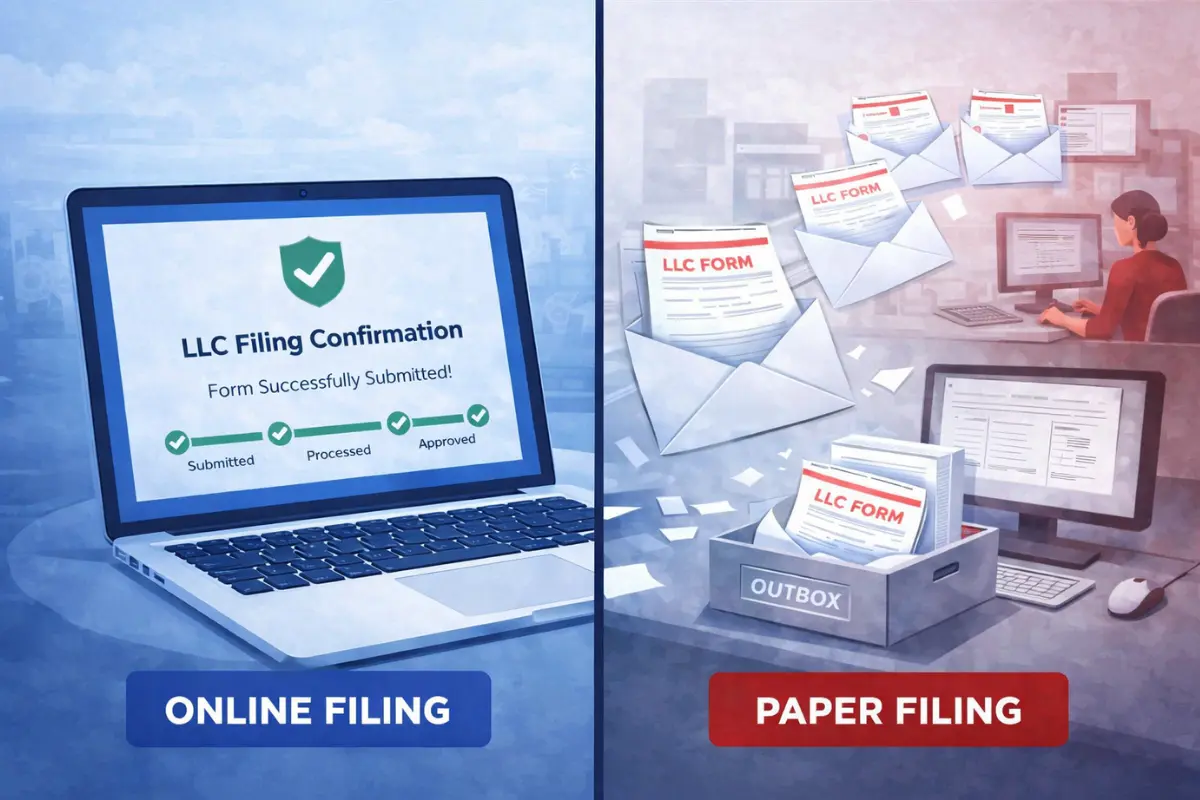
Electronic filing systems in many states allow near-instantaneous data entry and faster approval cycles. Electronic file management systems process documents digitally, avoiding delays from physical handling. Online submissions enter processing queues immediately upon receipt, and approved documents become available for download within hours or days, depending on state capacity.
Paper filings require physical transport, manual data entry by state clerks, and return mail time, adding approximately one week each direction. A state with 5-day processing would require about 3 weeks in total for mail filing, accounting for inbound transit, processing, and return delivery. Manual data entry also carries a higher risk of error than online form validation.
Online submissions are generally the most efficient method to reduce the overall formation document processing timeline. Most states now offer online filing options, though a few jurisdictions still require or strongly prefer paper submissions for certain entity types. Checking state-specific filing methods before beginning the process prevents unnecessary delays and ensures the selection of the fastest available option.
The Role of Expedited State Services
Many jurisdictions offer expedited processing options for an additional state filing fee. These services prioritize documents, often reducing wait times from weeks to days or hours. Standard state filing fees typically range from $50 to $500, depending on jurisdiction, with expedited processing adding $25 to $500 or more. Not all states provide expedited options—some jurisdictions process filings only in standard queues regardless of urgency.
24-Hour and Same-Day Turnaround Options
Several states offer 24-hour or same-day processing for premium fees. California charges $350 for next-business-day service, while Delaware offers same-day processing for an additional $100. Indiana, Kentucky, and Ohio provide same-day approval, with added costs ranging from $20 to $100. These high-speed options accommodate urgent business needs such as closing time-sensitive contracts or launching seasonal businesses during peak periods.
Standard vs. Priority Processing Queues
States manage separate tracks for standard and priority work. Standard filings follow first-in, first-out procedures. Priority filings move to expedited queues, receiving processing attention before standard submissions. Paying for priority effectively moves an application to the front of the line. During high-volume periods, the difference between standard and expedited processing can expand from days to weeks.
Impact of Entity Name Availability Searches
Performing preliminary business name availability searches before filing helps prevent delays caused by name conflicts. If a state rejects a filing due to name similarity with existing entities, the formation clock restarts. Rejection, correction, and resubmission can add 2-4 weeks to the timeline. Most Secretaries of State maintain online databases for free name searches. Conducting thorough searches before submitting formation documents significantly reduces the risk of rejection.
Preparation Time for Articles of Organization
The time required to gather necessary information—such as business purpose, member details, and registered agent information—affects the total formation timeline. Investopedia explains Articles of Organization requirements and standard content. Registered agent designation requires identifying an individual or service maintaining a physical address in the formation state. Multi-member LLCs may require additional time to finalize ownership structures before filing. While actual state filing may be fast, preparation is a critical component of the timeline.
The "Effective Date" vs. the Approval Date
Some states allow entities to specify a "Future Effective Date," where filing occurs immediately, but the official start date is set later. This helps businesses align legal formation with fiscal year starts or specific business milestones. Future effective dates typically allow delays of 30-90 days, depending on state rules. While the paperwork is being processed, the entity lacks legal existence until the specified effective date, so no liability protection applies to activities conducted before that date.
Post-Formation Steps: EIN and Operating Agreements
Legal formation is just the first step in setting up a business. Obtaining an Employer Identification Number from the IRS delays operational readiness. The IRS provides same-day EIN processing for online applications. Most LLCs need an EIN regardless of employee status. Drafting an operating agreement and opening business bank accounts contribute additional time before full operation. Banks typically require approved formation documents, an EIN, and an operating agreement before opening accounts. These post-formation steps can add 1-2 weeks to the timeline beyond state approval.
Delays Caused by Incomplete or Inaccurate Filings
Common filing errors, such as missing signatures, incorrect fees, or vague business descriptions—cause states to return documents for correction. Rejection and resubmission cycles can add 2-4 weeks to timelines. Missing or insufficient filing fees are among the most common causes of rejection. Incorrect registered agent information frequently triggers rejections—states require complete physical addresses and agent consent. Vague or impermissible business purpose statements can delay approval. Professional filing support helps reduce these avoidable setbacks.
Professional Services to Streamline the Timeline
Using an LLC formation service helps ensure documents are prepared correctly the first time. Professional services understand state workflow nuances, helping select the fastest filing methods. LLC formation service speed depends partly on the provider's familiarity with state requirements and common causes of rejection. Formation services know which expedited options provide the best value and whether online or paper filing processes faster in specific jurisdictions. Expert teams manage state communications, monitor filing status, and handle corrections when issues arise, typically reducing overall formation time compared to DIY approaches. Many services bundle registered agent service, operating agreement templates, and EIN assistance, streamlining the entire business setup beyond just state filing.
Get Your LLC Formed Faster—Without Costly Delays
While LLC formation timelines vary, proactive planning and professional support help the process move as efficiently as possible. Understanding state-specific processing times, selecting appropriate filing methods, and preparing accurate documents all contribute to faster approval. How long does it take to start a business depends on state selection, filing method, document accuracy, and post-formation steps. The typical timeline ranges from days to weeks, but strategic choices significantly impact total duration.
InCorp's LLC formation services help manage filing and minimize state processing delays. Professional document preparation reduces the risk of rejection, while expertise in state requirements ensures the selection of optimal filing methods. Entities benefit from streamlined processes that coordinate state filings with subsequent steps, such as EIN acquisition and operating agreement preparation.
InCorp's expert team and EMS system with the EntityWatch® feature help track your entity's status and maintain the compliance necessary for long-term standing. Systematic monitoring of annual business filings and compliance deadlines prevents lapses that could affect standing. Contact InCorp to explore business services supporting your LLC formation and ongoing compliance needs.
FAQ's
Can an LLC operate while its formation is still pending?
No. An LLC generally cannot legally operate until the state has officially approved the filing and the entity exists on record. Conducting business before approval is obtained, without liability protection, may expose owners to personal liability. Wait for official approval confirmation before beginning operations.
Does choosing a registered agent affect formation speed?
Indirectly, yes. A reliable registered agent helps ensure filings are submitted correctly and that state notices are received promptly, reducing preventable slowdowns. Professional registered agents familiar with state requirements can identify potential issues before submission. Poor agent designation or incomplete agent information can trigger rejections that extend timelines.
Do all states offer expedited LLC formation services?
No. Expedited options are state-specific, and some jurisdictions process filings only in standard queues regardless of urgency. Vermont and Wyoming, for example, do not offer expedited processing. Entities requiring fast formation should verify expedited availability in their chosen state before committing to specific launch dates.
Is the timeline different for forming a new LLC versus registering it as a foreign LLC in another state?
Yes. Forming a domestic LLC in its home state is usually faster because you only file Articles of Organization and pay that state's fee. Registering the same LLC as a foreign LLC in another state (foreign qualification) often takes longer because the state requires extra documents—such as a Certificate of Good Standing and proof of original formation from the home state—and additional review. Gathering and processing these materials can add 1–2 weeks compared with a straightforward in‑state formation.
Can filing errors affect future compliance, not just timing?
Yes. Incorrect initial filings can create inconsistencies in state records, complicating amendments, banking relationships, and future filings. Mismatched names, addresses, or member information may require formal amendments to correct. These inconsistencies can delay business activities and create confusion with vendors, banks, and regulatory agencies for years after formation.
Does the LLC legally exist as soon as I file the paperwork?
No. Your LLC legally exists only after the state agency (usually the Secretary of State) approves your Articles of Organization. Until you receive state approval and a confirmation document, you do not yet have liability protection under the LLC structure.
How long after state approval before I can open a business bank account and accept payments?
In most cases, you can open a dedicated business bank account and begin accepting payments within a few business days after approval, once you have your formation documents and Employer Identification Number (EIN). Many banks also ask for an operating agreement, so having that ready speeds up the entire process.
When in the LLC formation timeline should I apply for an EIN with the IRS?
You should apply for an EIN after the state has approved your LLC filing but before opening business bank accounts or filing tax forms. The online EIN application usually issues a number immediately, which you can then use for tax purposes, banking, and accounting software setup.
Do online filings always form an LLC faster than paper or mail filings?
Almost always. Online filings typically enter the state's electronic system immediately and can be processed in a few business days, while paper filings require mail transit plus manual data entry, often stretching the timeline to a few weeks. Some states also reserve their fastest, same-day or 24‑hour expedited processing only for online applications.
How does expedited processing change the timeline to get an LLC fully operational?
Expedited service can reduce state approval from a few weeks to a few days or even the same business day, depending on the state, in exchange for an additional fee. You'll still need time afterward for an EIN, business bank account, and any required business licenses, but expedited processing can significantly shorten the front end of the LLC formation timeline.
Disclaimer: This content is intended for general educational and informational purposes only and does not constitute legal, tax, or accounting advice. Every effort is made to keep the information current and accurate; however, laws, regulations, and guidance can change, and no representation or warranty is given that the content is complete, up to date, or suitable for any particular situation. You should not rely on this material as a substitute for advice from a qualified professional who can consider your specific facts and objectives before you make decisions or take action.
Share This Article:
Stay in the know!
Join our newsletter for special offers.