

The landscape for Beneficial Ownership Reporting Rules changed significantly on March 21, 2025. On that date, the Financial Crimes Enforcement Network (FinCEN), a bureau of the Department of the Treasury, issued an interim final rule that significantly narrowed the scope of Corporate Transparency Act reporting by removing BOI filing obligations for U.S.‑created entities and U.S. person beneficial owners and focusing the rule on certain foreign entities. For domestic U.S. LLCs, the federal BOI mandatory filing requirement under the Corporate Transparency Act has been lifted, while certain foreign entities registered to do business in the United States are still required to comply with BOI reporting and strict deadlines if they meet the definition of a “reporting company” under the revised rule (generally, entities previously defined as “foreign reporting companies” )and do not qualify for an exemption.
The Beneficial Ownership Reporting Rules were established under the Corporate Transparency Act to combat money laundering and financial crimes. FinCEN initially estimated that approximately 32.6 million reporting companies would be required to file in the first year. Companies like InCorp Services help businesses navigate evolving regulatory requirements.
Key Takeaways
-
Domestic U.S. entities (including most LLCs) are currently exempt from federal BOI reporting under the Corporate Transparency Act’s March 2025 interim final rule, so they do not need to file or update BOI reports while this rule remains in effect.
-
Certain foreign entities registered to do business in the U.S. still have mandatory BOI reporting obligations if they meet the definition of a reporting company and do not qualify for an exemption, with tight deadlines (including an April 25, 2025, due date for entities registered before March 26, 2025).
-
Banks and other financial institutions must still collect and verify beneficial ownership information at account opening under separate customer due diligence rules, regardless of whether an entity has to file a BOI report with FinCEN.
-
BOI violations for covered foreign entities carry potentially severe civil and criminal penalties, making accurate, timely reporting and strong internal ownership records essential.
-
The March 2025 rule is interim and subject to further change, so businesses should monitor future FinCEN guidance and consult legal or compliance professionals before making long‑term decisions about BOI reporting
Current Status: Domestic LLCs Now Exempt
For Domestic U.S. LLCs: Filing is Now Voluntary
Domestic U.S. LLCs are now exempt from federal BOI reporting requirements under the Corporate Transparency Act. All entities created in the United States (the former “domestic reporting companies”) are no longer required to file initial, updated, or corrected beneficial ownership information reports with FinCEN under the current interim rule. The Department of the Treasury has announced that FinCEN will not impose CTA BOI reporting penalties on U.S. citizens or domestic entities under the interim final rule, meaning U.S.‑created entities are not subject to BOI civil or criminal penalties so long as this rule remains in effect.
Domestic LLCs may still choose to file voluntarily in limited circumstances (for example, if they previously submitted a report and wish to maintain consistent records), but there is currently no federal obligation to do so, and many practitioners recommend consulting counsel before making voluntary filings. For foundational compliance requirements, review guidance on forming your company.
For Foreign Entities: Mandatory Reporting Continues
FinCEN’s Beneficial Ownership Information Reporting Rule continues to apply to entities that qualify as “reporting companies” under the revised definition, which now captures only entities formed under the laws of a foreign country that register to do business in a U.S. state or tribal jurisdiction by filing a document with a secretary of state or similar office (formerly “foreign reporting companies”),if they do not qualify for an exemption. These businesses face strict deadlines and substantial penalties, making accurate reporting a critical LLC legal responsibility.
Foreign entities registered before March 26, 2025, must file by April 25, 2025. Foreign entities registered on or after March 26, 2025, have 30 calendar days to file. Foreign entities should use FinCEN's E-Filing System. Compliance is typically required for these entities when they meet the definition of a reporting company under the interim rule and do not qualify for an exemption.
TurboTax provides practical guidance: 7 things you need to know about the new business reporting rules.
Increased Record-Keeping Requirements
For Domestic LLCs
While filing is not required, maintaining accurate internal ownership records remains a core business practice for banking, investor relations, and governance.
For Foreign LLCs
It's recommended to maintain precise, up-to-date ownership records to meet FinCEN's ongoing filing requirements and avoid errors.
What All LLCs Should Maintain
Your LLC should maintain up-to-date records of all members, ownership percentages, individuals with management authority, and supporting documentation.
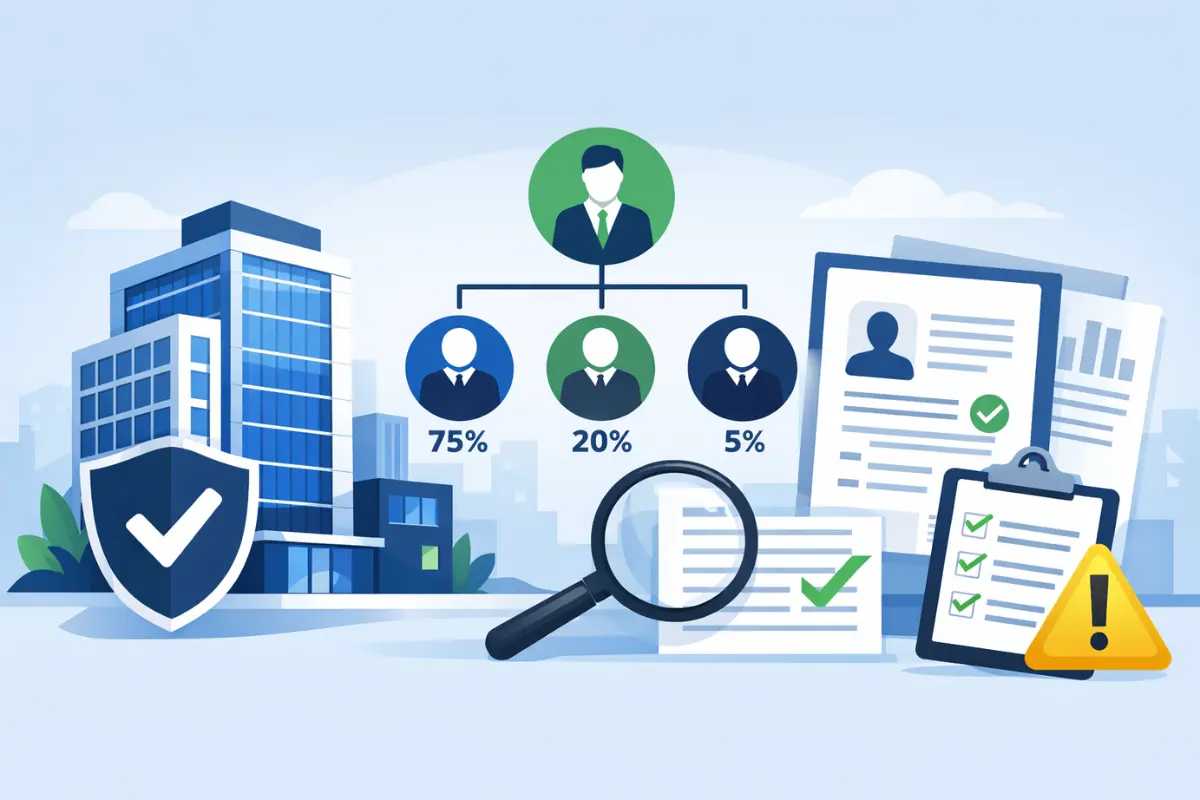
A beneficial owner is any individual who owns or controls at least 25 percent of the ownership interests or exercises substantial control over the entity. Substantial control includes senior officers and individuals with the authority to appoint or remove officers.
Banks request ownership information when evaluating loans. As with proper document retention practices, organized records demonstrate professional management. Trade names don't affect beneficial ownership analysis.
Impact on Banking and Financial Relationships
For All LLCs
Financial institutions continue to have LLC transparency regulations and due diligence requirements. The Internal Revenue Service supports rules requiring banks to collect ownership information at account opening.
Banks still need to verify beneficial ownership. Federal banking regulations require financial institutions to collect and verify beneficial ownership information when opening accounts. This "Customer Due Diligence Rule" remains in effect.
When you open a business bank account, you will complete a certification form identifying individuals who own 25 percent or more and one controlling individual. You are typically required to provide ownership information to your bank regardless of FinCEN's filing status.
Legal Compliance Obligations
For Domestic LLCs
The exemption removes the federal filing mandate and associated criminal penalties and civil penalties. The Treasury Department announced there would be no penalties for U.S. citizens or domestic reporting companies for failing to file BOI reports under the CTA while the interim final rule remains in effect.
For Foreign LLCs
The Beneficial Ownership Information Reporting Rule establishes severe penalties. Civil penalties can reach $500 per day a violation continues. Criminal penalties for willful violations include fines up to $10,000 and up to two years imprisonment. Compliance represents a legal obligation for these entities..
Impact on Decision-Making and Governance
Formalizing control relationships strengthens your LLC. Examining beneficial ownership concepts provides an opportunity to strengthen your organizational structure by documenting voting rights, clarifying management authority, and creating clear succession plans.
Multi-member LLCs should review their governance structure to identify all individuals who exercise substantial control, including members who don't meet the 25 percent ownership threshold but hold key management roles.
Increased Transparency for Stakeholders
While domestic entities are exempt from mandatory FinCEN reporting, ownership transparency continues to provide benefits in relationships with banks, investors, and business partners.
Transparency builds trust with financial institutions. Banks and lenders require detailed ownership information before approving loans or opening accounts. Well-documented businesses are viewed as lower-risk, which can translate into better financing terms. Maintaining accurate ownership records supports improved record-keeping, similar to annual report filings.

Potential for Regulatory Scrutiny
For Domestic LLCs
Although exempt from FinCEN reporting, agencies such as the Internal Revenue Service and state regulators can still request ownership information during audits or investigations.
For Foreign LLCs
Non-compliance with the Beneficial Ownership Information Reporting Rule can trigger direct scrutiny from FinCEN and other agencies.
Understanding why business compliance matters: why business compliance is essential to overall growth.
Impact on Privacy and Confidentiality
For entities that file beneficial ownership information, understanding how FinCEN protects sensitive data helps address privacy concerns.
Beneficial ownership information is not public. Unlike state business registries, FinCEN's database has strictly limited access. Only authorized parties can access this information, including law enforcement agencies, the Internal Revenue Service, and financial institutions for customer due diligence with consent.
For businesses operating as a special purpose entity, these protections may be important. FinCEN has implemented safeguards, including secure transmission protocols and authentication requirements.
Long-Term Compliance Planning
The March 2025 changes represent a significant shift, but FinCEN has indicated additional updates are expected. The current rule is interim, and FinCEN is accepting public comments and intends to finalize the rule after the comment period, so obligations may change again.
Create a system for monitoring regulatory changes. Consider subscribing to FinCEN updates, following business compliance news, and working with legal professionals who monitor developments.
For businesses in multiple jurisdictions, coordination with your registered agent becomes important. Just as you need to maintain a registered agent in each jurisdiction, you may need to track ownership information across registrations.
Best Practices for Compliance
Following proven best practices ensures your LLC maintains appropriate documentation. Understanding why business compliance is essential helps frame these tasks as strategic growth.

For Domestic LLCs (Prudent Record-Keeping)
-
Maintain a current operating agreement identifying all members
-
Document all ownership transfers formally
-
Store sensitive information securely
-
Designate someone responsible for maintaining records
-
Review and update documentation annually
For Foreign LLCs (Active FinCEN Filing)
-
Use FinCEN's E-Filing System for all submissions
-
Maintain copies of all filed reports
-
Set calendar reminders for ownership changes
-
Consult with compliance professionals if needed
-
Track ownership changes to file updated reports within 30 days
Ensure Your LLC Stays Prepared – Maintain Organized Records
The Beneficial Ownership Reporting Rules now create two distinct realities. Domestic U.S. LLCs are exempt from mandatory filing but should maintain organized internal records. Foreign entities registered in the U.S. should prioritize accurate, timely filing to avoid significant penalties if they fall within the narrowed definition of a reporting company and are not otherwise exempt.
Start by reviewing your LLC's jurisdiction and ownership documentation. For foreign entities, immediate action is required to meet the April 25, 2025, deadline if you registered before March 26, 2025.
Ready to manage your entity's compliance posture with clarity? Explore InCorp's services for support with entity management and compliance tracking.
FAQs
What is a beneficial ownership reporting rule?
It is a regulation requiring certain business entities to disclose information about individuals who own or control the company. FinCEN established the Beneficial Ownership Information Reporting Rule under the Corporate Transparency Act. As of March 2025, U.S. domestic entities are exempt from mandatory reporting, while foreign entities registered in the U.S. that meet the CTA definition of a reporting company and are not exempt should still file.
Who is considered a beneficial owner of an LLC?
Any individual who owns at least 25 percent of the LLC or exercises substantial control qualifies as a beneficial owner. Substantial control includes senior officers and individuals with the authority to appoint or remove officers. Only natural persons can be beneficial owners.
Which LLCs must comply with these rules?
As of March 2025, domestic LLCs formed in the U.S. are exempt from mandatory beneficial ownership reporting requirements for LLCs and may file voluntarily. Foreign entities that have registered to do business in the United States and qualify as reporting companies under the revised rule are required to file reports with FinCEN. Sole proprietorships and general partnerships are not considered reporting companies.
What information do LLCs need to report?
For foreign entities required to file, the report must include each beneficial owner's full legal name, date of birth, current residential address, and identification number from a passport or driver's license, along with an image of the identification. For the LLC, you must report the legal name, any trade names, business address, jurisdiction of formation, and tax identification number. Under the interim rule, foreign reporting companies do not report beneficial ownership information for U.S. person beneficial owners, and U.S. persons are not required to provide their BOI to those foreign reporting companies for CTA purposes, although banks may still collect this information under separate customer due diligence rules.
Which types of business entities are generally covered by beneficial ownership reporting requirements, and which are exempt?
Under the CTA, "reporting companies" are generally corporations, limited liability companies, and similar entities created by filing a document with a secretary of state or similar office, as well as certain foreign entities registered to do business in the United States, unless an exemption applies.
Exempt entities include, among others, publicly traded companies, many large operating companies that meet specific employee and revenue tests, certain regulated financial institutions, and other entities already subject to comparable federal ownership reporting regimes.
Who is considered a beneficial owner for purposes of BOI reporting, especially in complex ownership structures?
A beneficial owner is any individual who either owns or controls at least 25 percent of the ownership interests of a reporting company or exercises substantial control over the company, directly or indirectly.
Substantial control can be exercised by a senior officer (such as a chief executive officer, chief financial officer, chief operating officer, general counsel, or a company's president), or any other officer or individual with significant control over important decisions, even if that person does not hold a 25 percent ownership interest.
What specific information must reporting companies submit about their beneficial owners?
Reporting companies generally must provide each beneficial owner's full legal name, date of birth, current address, and a unique identifying number from an acceptable identification document, such as a passport or driver's license, plus an image of that document.
They must also report certain company information, such as the legal name, trade or "doing business as" names, principal business address, jurisdiction of formation or registration, and taxpayer identification number, along with BOI for individuals who exercise substantial control.
What are the potential consequences of non‑compliance with BOI reporting requirements for covered foreign companies and other reporting companies?
Failure to file a required initial BOI report, to correct inaccurate ownership information, or to update beneficial ownership data when changes occur can expose a covered reporting company and responsible individuals to civil penalties and, in cases of willful violations, criminal penalties.
Civil penalties can accrue daily for ongoing non‑compliance, and criminal penalties may include fines and imprisonment, especially where there is intentional evasion of BOI reporting obligations tied to money laundering, terrorist financing, or other financial crimes.